Crohn's Disease vs. Ulcerative Colitis: Similarities and Differences

Crohn's
disease and ulcerative colitis are the two most common forms of inflammatory
bowel disease (IBD). Although both conditions cause chronic inflammation in the
digestive tract, they differ in how they affect the body, their symptoms, and
treatment approaches. Consulting the best gastroenterologist in Hyderabad can help
ensure an accurate diagnosis and a personalized treatment plan for effective
long-term management.
One of the
primary similarities between Crohn's disease and ulcerative colitis is that
both result from an abnormal immune response that causes inflammation in the
gastrointestinal tract. Common symptoms include persistent diarrhea, abdominal
pain, fatigue, weight loss, loss of appetite, and rectal bleeding. These
conditions often occur in cycles, with periods of flare-ups followed by remission.
Despite these
similarities, there are several important differences. Crohn's disease can
affect any part of the digestive tract, from the mouth to the anus, although it
most commonly involves the end of the small intestine and the beginning of the
large intestine. The inflammation may occur in patches and can extend through
the entire thickness of the bowel wall. This increases the risk of
complications such as fistulas, abscesses, and bowel narrowing.
Ulcerative
colitis, on the other hand, affects only the colon and rectum. The inflammation
is continuous rather than patchy and is limited to the innermost lining of the
colon. Patients with ulcerative colitis often experience frequent bloody
diarrhea, urgency to pass stools, and abdominal discomfort. While both diseases
require medical attention, their treatment strategies may differ depending on
the severity and extent of inflammation.
Diagnosis
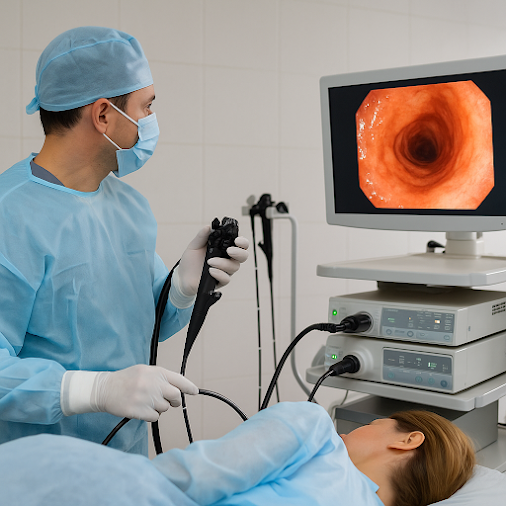
usually involves a combination of blood tests, stool analysis, colonoscopy,
imaging studies, and biopsy. Early detection plays a vital role in preventing
complications and improving quality of life. If you are experiencing persistent
digestive symptoms, it is advisable to Find Gastroenterology Doctors Near Me in Hyderabad for timely
evaluation and expert care.
Treatment for
both Crohn's disease and ulcerative colitis focuses on reducing inflammation,
controlling symptoms, and maintaining long-term remission. Medications such as
anti-inflammatory drugs, immunosuppressants, biologic therapies, and
nutritional support are commonly used. In some cases, surgery may be
recommended when medications fail to control the disease or complications
develop.
Living with
inflammatory bowel disease requires ongoing medical care and healthy lifestyle
choices. Eating a balanced diet, staying hydrated, managing stress, exercising
regularly, and attending routine follow-up appointments can help minimize
flare-ups and improve overall well-being.
Understanding
the similarities and differences between Crohn's disease and ulcerative colitis
enables patients to seek timely medical attention and make informed decisions
about their care. With expert diagnosis, individualized treatment, and regular
monitoring, many people with IBD can successfully manage their condition and
enjoy a healthy, active life.
For more information: https://share.google/s13MnFdNUOebTNlxU


Comments
Post a Comment