What to Expect During IBD Treatment and Recovery

Inflammatory Bowel Disease (IBD) is a chronic condition that primarily includes Crohn’s disease and ulcerative colitis. These disorders cause inflammation in the digestive tract, leading to symptoms such as abdominal pain, diarrhea, fatigue, weight loss, and nutritional deficiencies. Understanding what happens during treatment and recovery can help patients manage their condition more effectively and improve their quality of life.
Understanding the Treatment Process
The primary goal of IBD treatment is to reduce inflammation, control
symptoms, prevent complications, and achieve long-term remission. Every
treatment plan is personalized based on the type of IBD, severity of symptoms,
and overall health of the patient.
Doctors may recommend medications such as anti-inflammatory drugs, immune
system suppressors, biologic therapies, or antibiotics. These treatments are
designed to control the immune response that triggers intestinal inflammation.
Regular monitoring helps ensure that the chosen therapy is working effectively
and allows adjustments when necessary.
Diagnostic Monitoring and Follow-Up Care
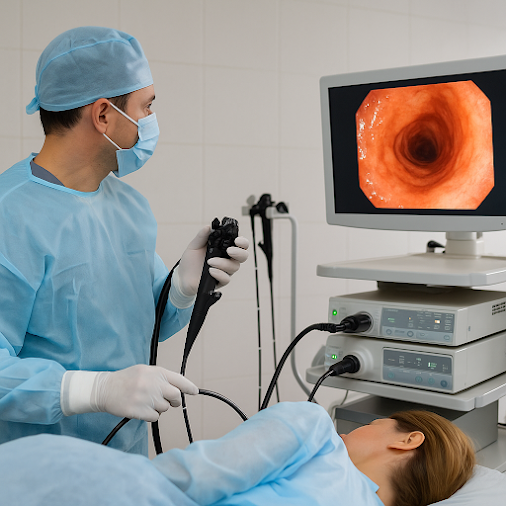
Successful IBD management requires ongoing evaluation. Gastroenterologists
often use blood tests, stool tests, imaging studies, and endoscopic procedures
to monitor disease activity and assess treatment progress.
Patients searching for IBD Treatment Near Me Hyderabad
should seek specialized care that includes comprehensive monitoring and
long-term disease management. Regular follow-up appointments help detect
flare-ups early and prevent potential complications.
Dietary and Lifestyle Adjustments
Nutrition plays a vital role in supporting recovery and maintaining
remission. Although dietary triggers vary among individuals, patients are often
encouraged to identify foods that worsen symptoms and avoid them during active
flare-ups.
Some beneficial lifestyle practices include:
- Eating
smaller, balanced meals
- Staying
hydrated
- Managing
stress effectively
- Exercising
regularly
- Avoiding
smoking and excessive alcohol consumption
A healthy lifestyle can significantly improve digestive health and reduce
the frequency of symptom flare-ups.
Managing Recovery and Remission
Recovery from an IBD flare-up may take time and requires patience. As
inflammation decreases, symptoms such as abdominal pain, diarrhea, and fatigue
often improve. During remission, patients may feel completely symptom-free, but
ongoing treatment is usually necessary to maintain disease control.
Medication adherence is crucial, even when symptoms are absent. Stopping
treatment without medical guidance may increase the risk of relapse and disease
progression.
Addressing Complications
In some cases, IBD can lead to complications involving the intestines,
nutritional deficiencies, or other digestive problems. Early detection and
appropriate intervention are essential for preventing severe outcomes.
Patients requiring Small Bowel and Colon Problems Treatment in
Hyderabad can benefit from specialized evaluation and treatment plans
that address both inflammatory bowel disease and related gastrointestinal
conditions.
The Importance of Emotional Support
Living with a chronic digestive condition can affect emotional well-being.
Anxiety, stress, and concerns about future flare-ups are common among IBD
patients. Support from healthcare providers, family members, and patient
communities can help individuals cope more effectively with the challenges of
long-term disease management.
Conclusion
IBD treatment and recovery involve a combination of medical therapy, regular
monitoring, dietary modifications, and lifestyle changes. While IBD is a
lifelong condition, proper treatment can help patients achieve remission,
minimize symptoms, and maintain an active, healthy life. Early intervention and
ongoing care remain key to successful long-term management.
For more information: https://share.google/4CwzG0cHOsyWJWfbj


Comments
Post a Comment