Common Digestive Disorders Treated by a Gastroenterologist

Understanding Digestive Disorders
The digestive system plays a crucial role in breaking down food, absorbing
nutrients, and eliminating waste. When any part of this system is affected, it
can lead to symptoms that interfere with daily life and overall health.
Gastroenterologists specialize in diagnosing and treating disorders involving
the esophagus, stomach, intestines, liver, pancreas, gallbladder, and colon.
Early diagnosis and appropriate treatment can help prevent complications while
improving long-term digestive health.
Common Digestive Conditions
Several digestive disorders require expert medical evaluation. One of the
most common is gastroesophageal reflux disease (GERD), which causes persistent
heartburn and acid reflux. Irritable bowel syndrome (IBS) affects bowel habits
and often leads to abdominal pain, bloating, diarrhea, or constipation.
Inflammatory bowel disease (IBD), including Crohn's disease and ulcerative
colitis, causes chronic inflammation of the digestive tract and requires
long-term management. Peptic ulcers, gastritis, gallstones, liver diseases,
hemorrhoids, and chronic constipation are also frequently treated by
gastroenterologists. In addition, they diagnose and manage conditions such as
fatty liver disease, pancreatitis, celiac disease, and colorectal polyps.
Ignoring persistent digestive symptoms may delay diagnosis and increase the
risk of complications, making timely medical consultation essential.
Advanced Diagnosis and Treatment
Modern gastroenterology combines advanced technology with personalized care
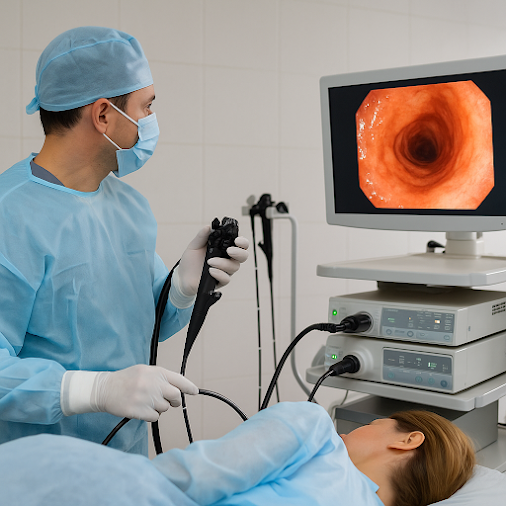
to provide accurate diagnosis and effective treatment. Procedures such as upper
gastrointestinal endoscopy, colonoscopy, capsule endoscopy, endoscopic
ultrasound, and advanced imaging techniques allow specialists to identify
digestive disorders with greater precision.
Modern Advances in Gastroenterology for Better Patient Care
have significantly improved patient outcomes by enabling minimally invasive
procedures, earlier detection of gastrointestinal diseases, and targeted
treatment approaches. These innovations reduce recovery time, improve
diagnostic accuracy, and support better long-term management of both common and
complex digestive conditions.
When Should You Consult a Gastroenterologist?
Persistent digestive symptoms should never be ignored. Frequent heartburn,
ongoing abdominal pain, difficulty swallowing, chronic diarrhea, constipation
lasting several weeks, unexplained weight loss, nausea, vomiting, or blood in
the stool all require professional evaluation.
Individuals searching for Find Gastroenterology Doctors Near Me inHyderabad can benefit from timely consultation with a qualified
specialist who can identify the underlying cause of symptoms and recommend an
individualized treatment plan. Early intervention often leads to better disease
control and improved quality of life.
Maintaining Good Digestive Health
Healthy lifestyle habits play an important role in preventing digestive
disorders. Eating a balanced diet rich in fiber, drinking adequate water,
exercising regularly, managing stress, limiting processed foods, avoiding
tobacco, and reducing alcohol intake all contribute to better digestive
function. Routine health screenings and prompt medical attention for persistent
symptoms also help maintain long-term gastrointestinal health.
FAQs
1. What symptoms indicate that I should see a gastroenterologist?
Persistent heartburn, abdominal pain, bloating, chronic diarrhea,
constipation, blood in the stool, unexplained weight loss, and difficulty
swallowing should be evaluated by a gastroenterologist.
2. Are digestive disorders treatable?
Yes. Most digestive disorders can be effectively managed with medications,
lifestyle modifications, dietary changes, endoscopic procedures, or surgery
when necessary.


Comments
Post a Comment